
At a glance, pandan and matcha look like they could be the same thing. Both are vividly green, both show up in lattes and desserts, and both get compared to each other constantly online. But they come from opposite corners of the world, and they bring very different things to a cup.
Two different ingredients, one shared color
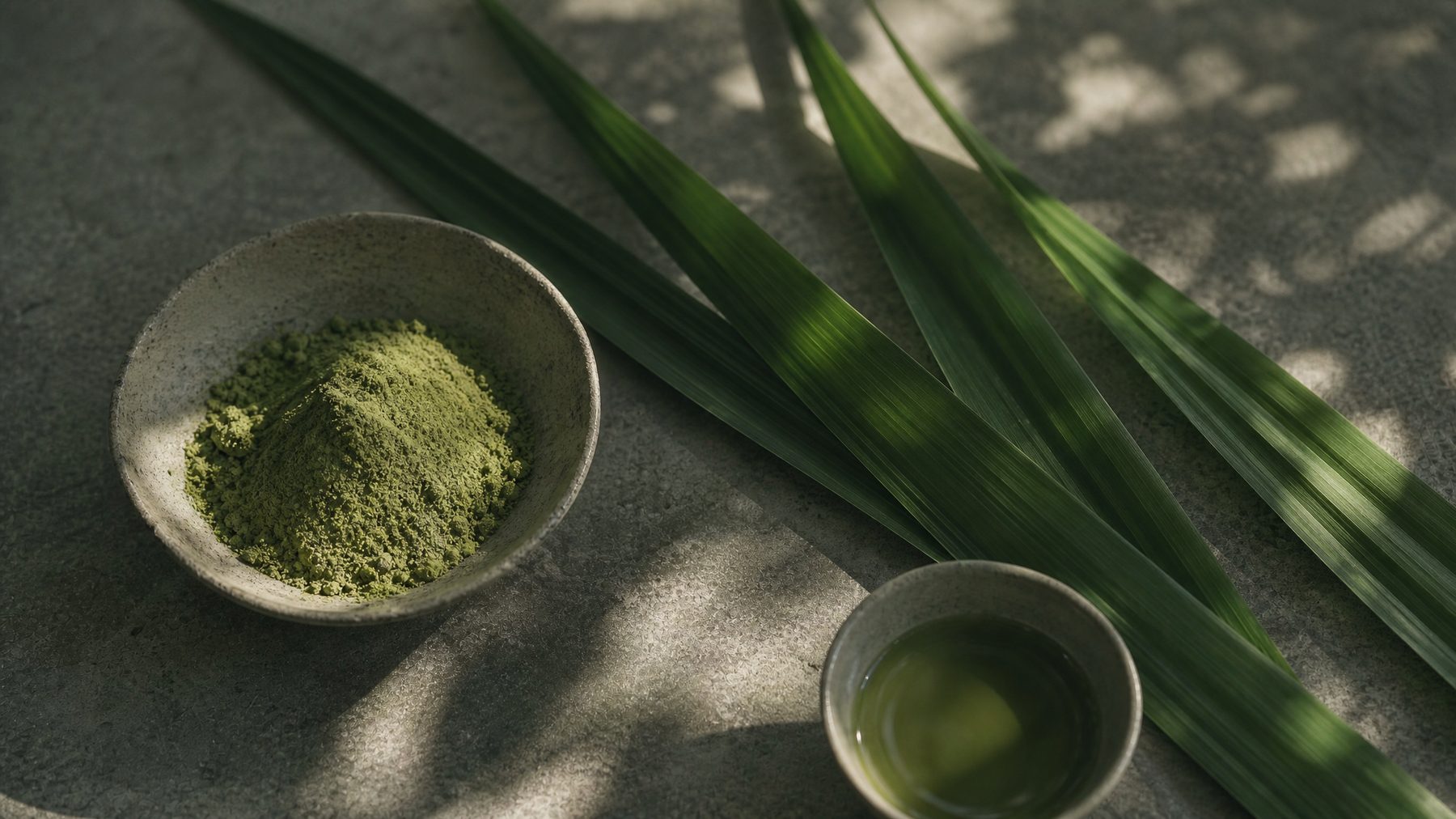
Matcha is a fine powder made from shade-grown green tea leaves (Camellia sinensis), traditionally from Japan. The shading process concentrates chlorophyll and flavor, which is what gives matcha its deep green color and earthy, slightly savory taste. It also naturally contains caffeine and L-theanine.
Pandan is a tropical leaf (Pandanus amaryllifolius) native to Southeast Asia, used mainly for its aroma rather than any stimulant effect. It has no caffeine, and its flavor leans sweet, floral, and vanilla-like rather than earthy.
In short: matcha is a tea. Pandan is a fragrant leaf. They just happen to share a color.
Why blend pandan with matcha at all
On its own, matcha can be an acquired taste. The bitterness that ceremonial-grade drinkers appreciate is often the exact thing that puts newer matcha drinkers off.
Pandan changes that balance. Its natural sweetness and coconut-vanilla warmth round out matcha's sharper edges, so the blend reads as smooth and fragrant rather than grassy or astringent, without needing sugar to get there.
What this actually tastes like in a cup
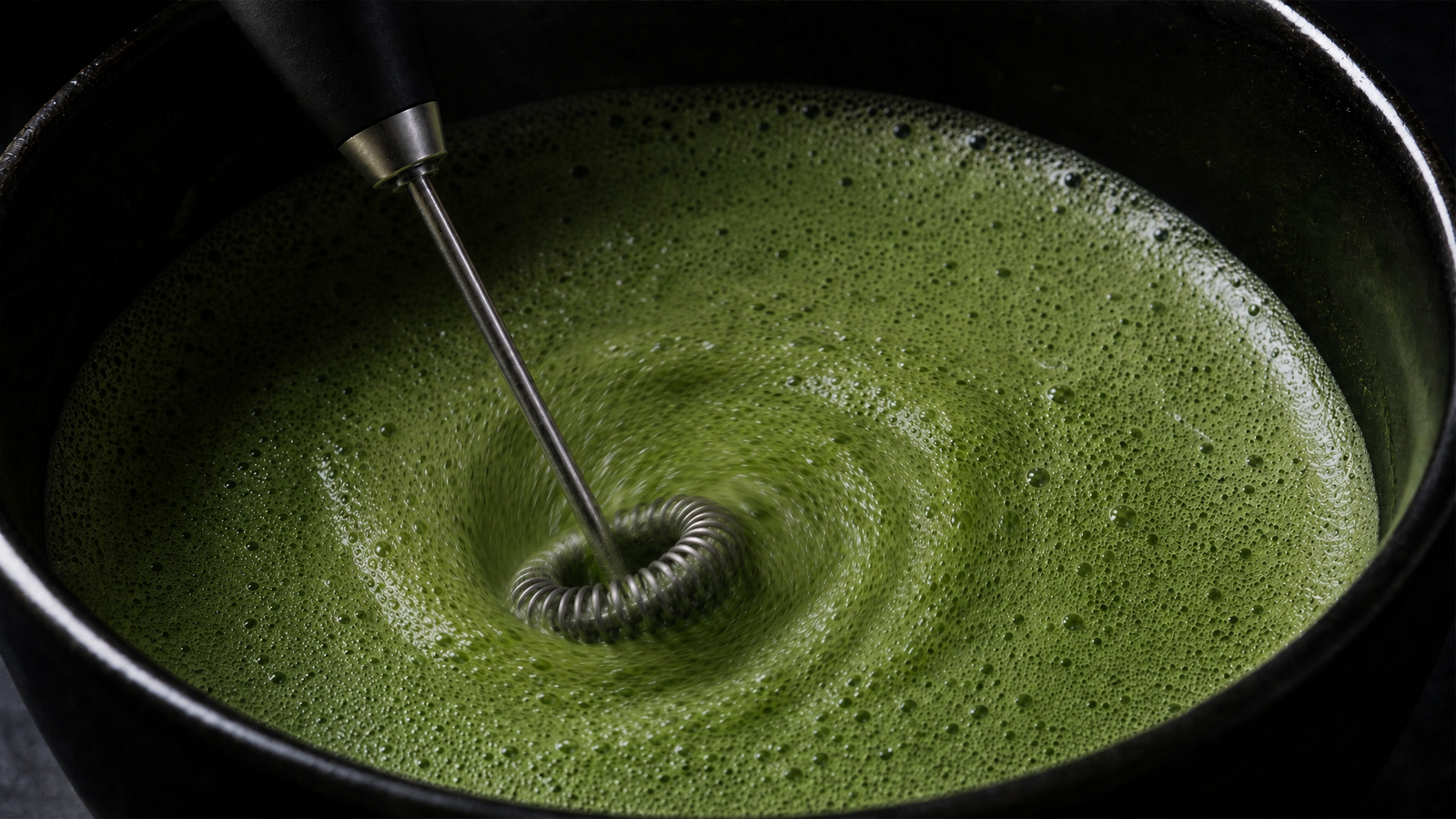
Our Pandan Matcha Powder is blended 50% pandan extract and 50% matcha sourced from Japan. It's unsweetened, so the balance you taste is the blend itself, not added sugar covering for one ingredient or the other.