
If you've spent any time exploring Southeast Asian desserts or drinks, you've probably run into a shade of green that doesn't come from matcha. That's usually pandan.
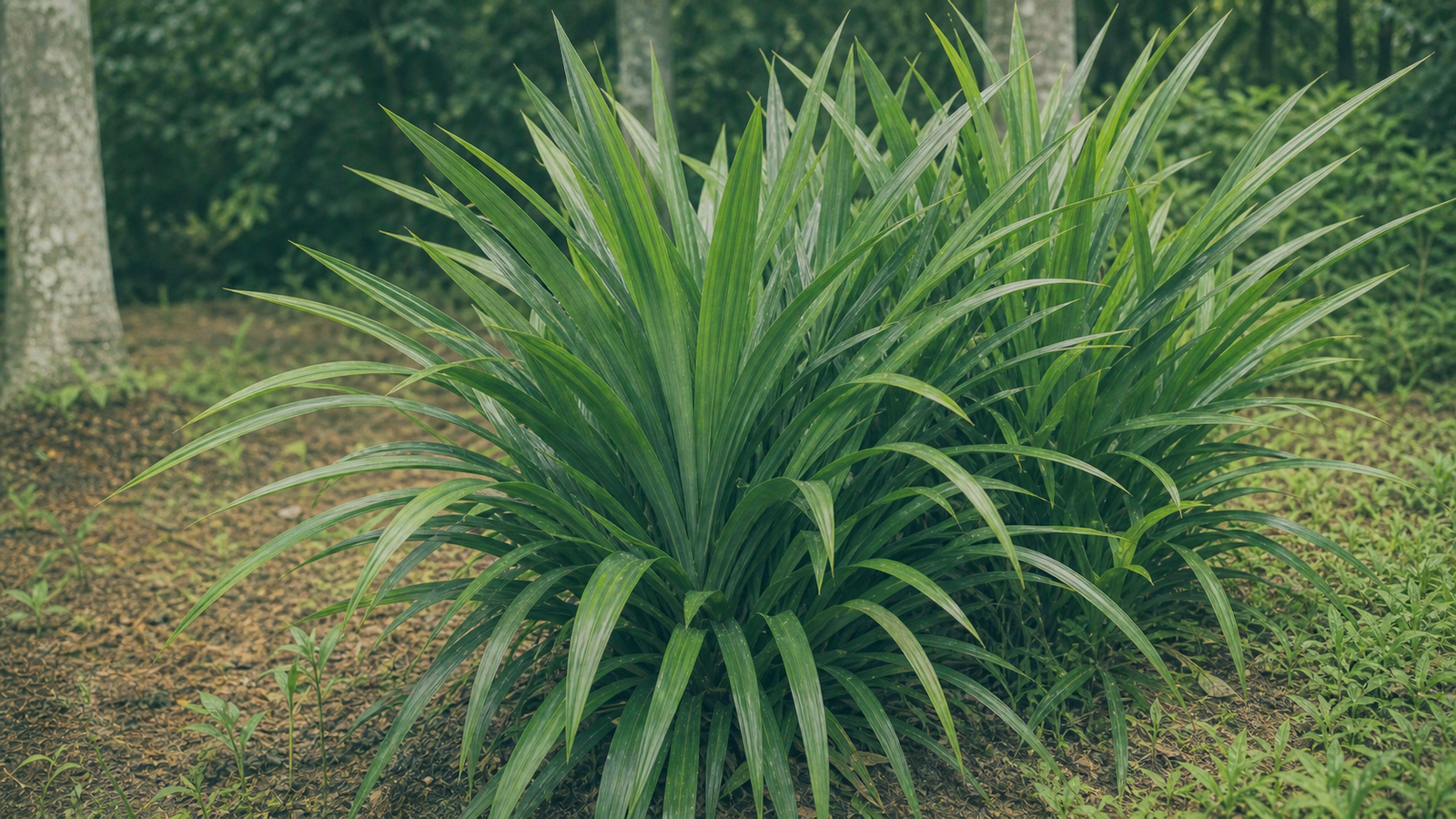
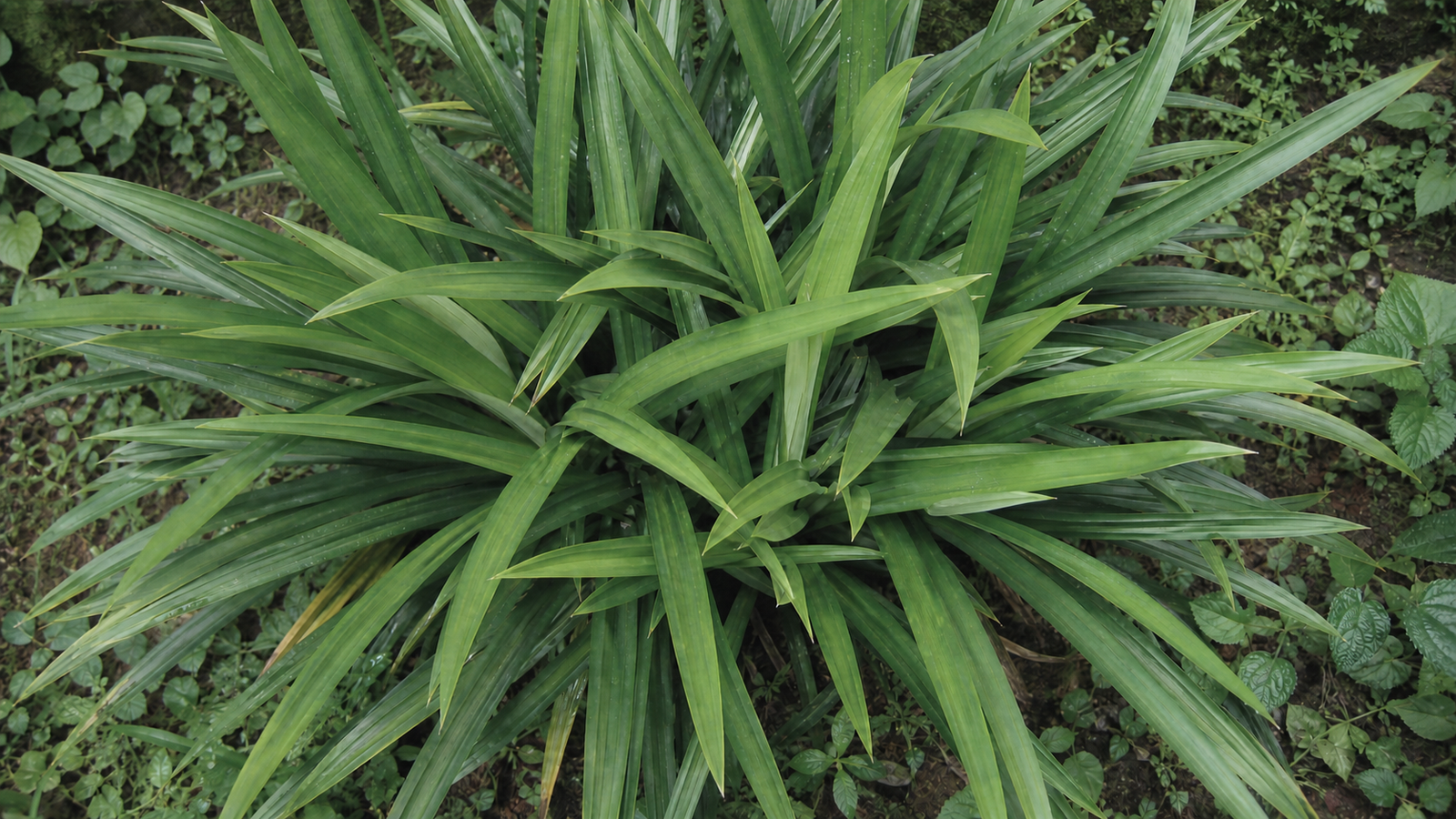
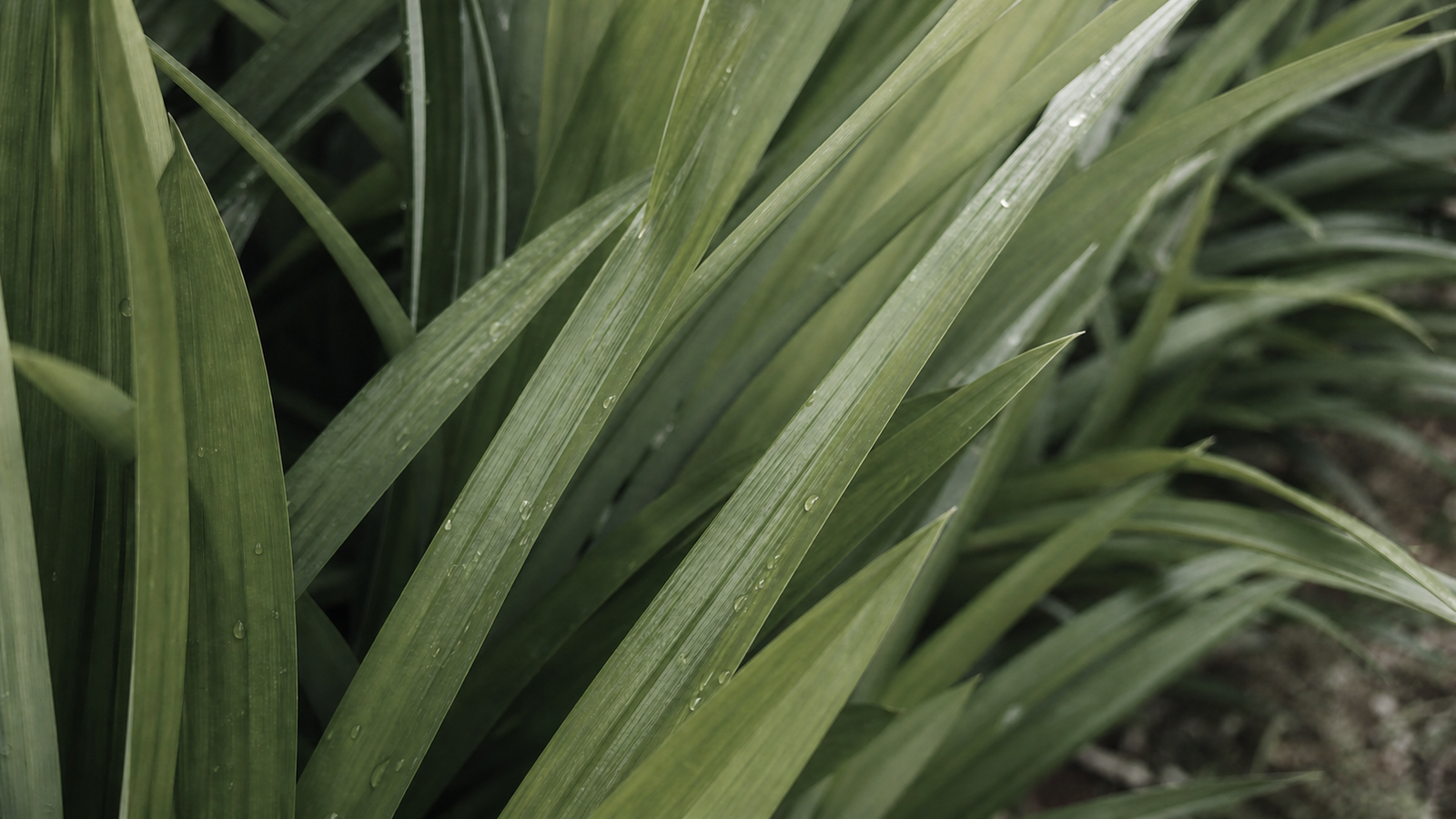
Pandan (Pandanus amaryllifolius) is a tropical leaf grown across Malaysia, Thailand, Vietnam, Indonesia, and the Philippines. It's been used in home kitchens across the region for generations, long before it started showing up in cafes outside Asia.
What does pandan taste like?
This is the question most people ask first, and it's a fair one, since pandan doesn't have an easy Western comparison.
The closest description is a soft, rounded sweetness with notes of vanilla, coconut, and something faintly grassy underneath, which is why pandan is often nicknamed the "Asian vanilla." Unlike vanilla, it carries a light herbal freshness, and unlike matcha, it has no bitterness at all. It's mellow rather than intense, which is part of why it pairs so easily with other flavors.
Why pandan pairs well with matcha
Pandan's natural sweetness and coconut-vanilla character work as a gentle counterbalance to matcha's more assertive green tea depth. Where matcha alone can taste grassy or slightly bitter to newer drinkers, pandan softens that edge without needing added sugar to do it.
That combination is the whole idea behind our Pandan Matcha Powder: matcha sourced from Japan for depth, pandan for aroma, and nothing else added.