

It starts in the shade
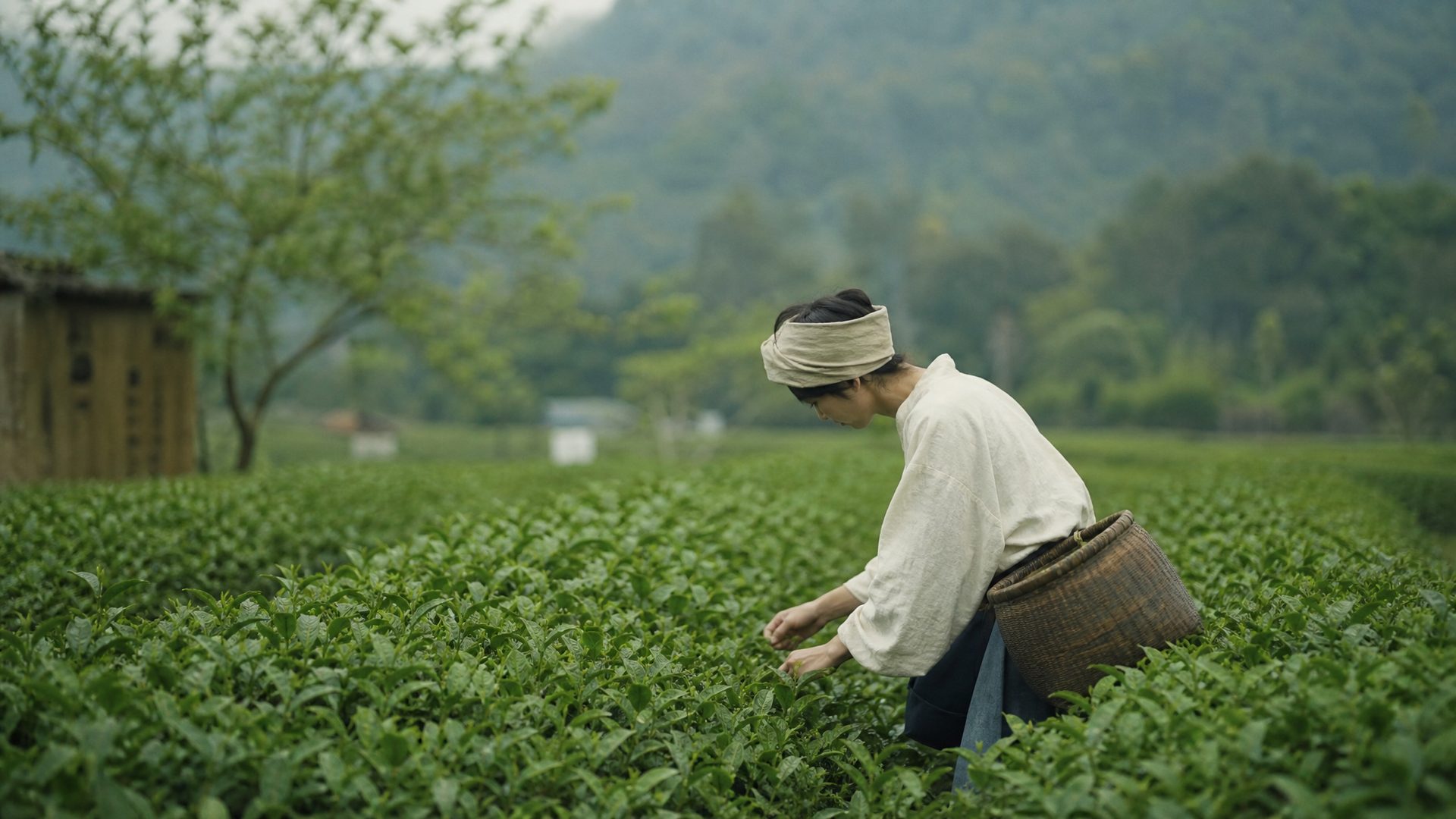
A few weeks before harvest, matcha tea gardens are covered with shading nets that block a significant portion of sunlight. This forces the tea plant to produce more chlorophyll to compensate, which is what gives matcha its intense green color. The shading also slows growth, which concentrates flavor and softens the leaf's natural bitterness compared to sun-grown green tea.
This is one of the clearest differences between matcha and ordinary green tea: matcha is grown in the shade on purpose, from the start.
From leaf to tencha
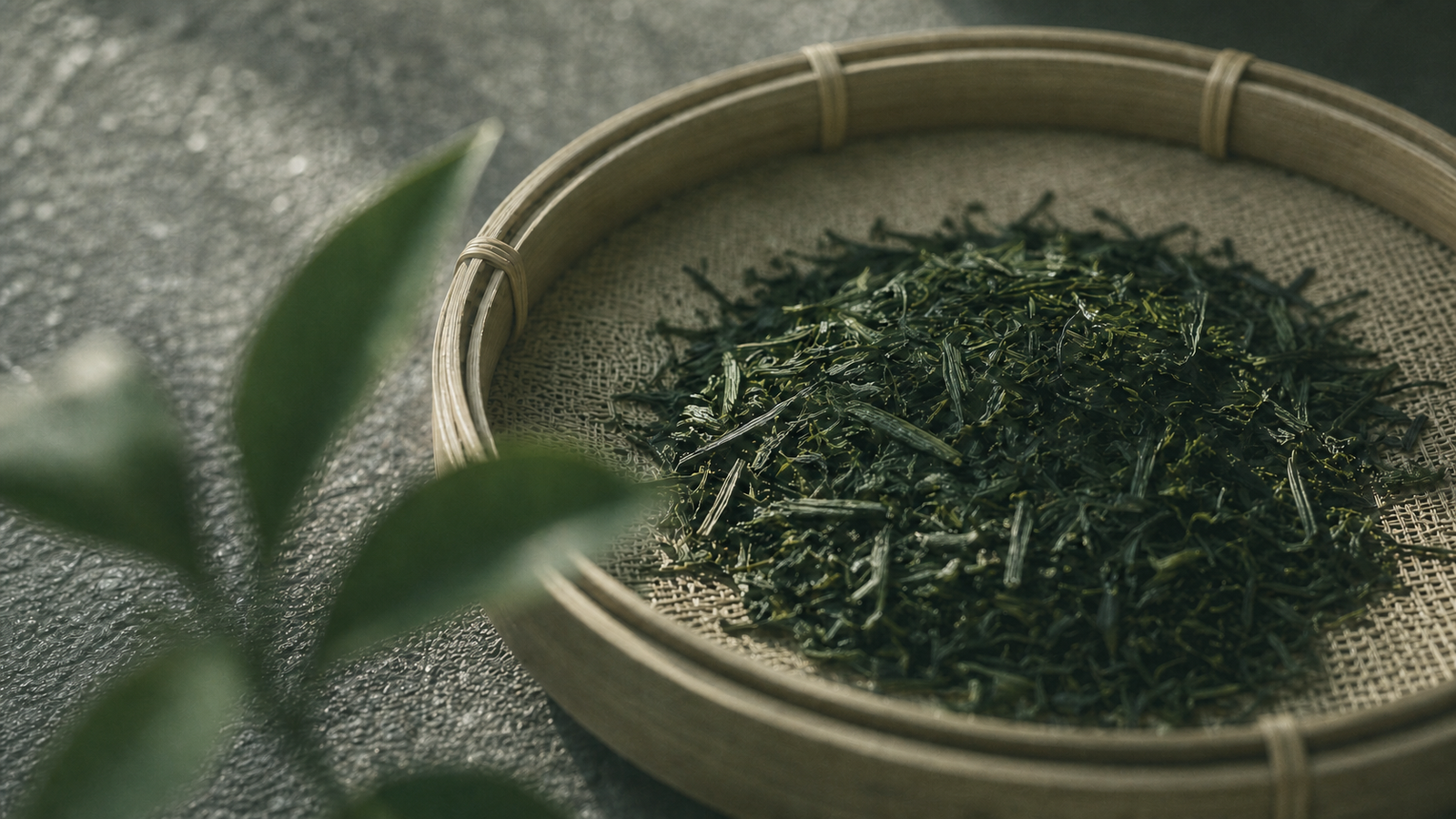
Once harvested, the leaves are steamed almost immediately to stop oxidation and lock in color. After steaming, the leaves are dried and have their stems and veins removed, leaving just the tender leaf material. At this stage, it's called tencha, the base tea that eventually becomes matcha.
Tencha is then stone-ground into the fine, silky powder that gets whisked into a bowl or blended into a latte. Traditional stone grinding is slow by design, since the friction from faster methods can generate heat and damage flavor and color.
Where our matcha comes from
The matcha in our Pandan Matcha Powder is sourced from Japan, using this same shade-grown, stone-ground tradition. We pair it with pandan extract, 50/50, so the matcha keeps its depth while pandan brings its own aroma into the blend.
The result isn't a substitute for ceremonial matcha whisked on its own. It's a blend designed for a different moment: iced lattes, home cafe recipes, and everyday drinks where matcha's depth and pandan's fragrance work better together than either would alone.